Amboseli National Park embodies 5 main wildlife habitats: open plains, acacia woodland, rocky thorn bush, swamps and marshlands. The park also covers a part of the Pleistocene lake basin, which is now dry. Within this basin is the temporary Lake Amboseli that floods during heavy rainfall. Although a very dry and arid landscape, Amboseli is quite lush in places. Famously dusty, Amboseli has a layer of ancient volcanic ash, which characterises the park during the dry season and droughts. In contrast, periods of heavy rainfall can cause flooding in this famously dry land and the Amboseli takes on swampy marshlands.
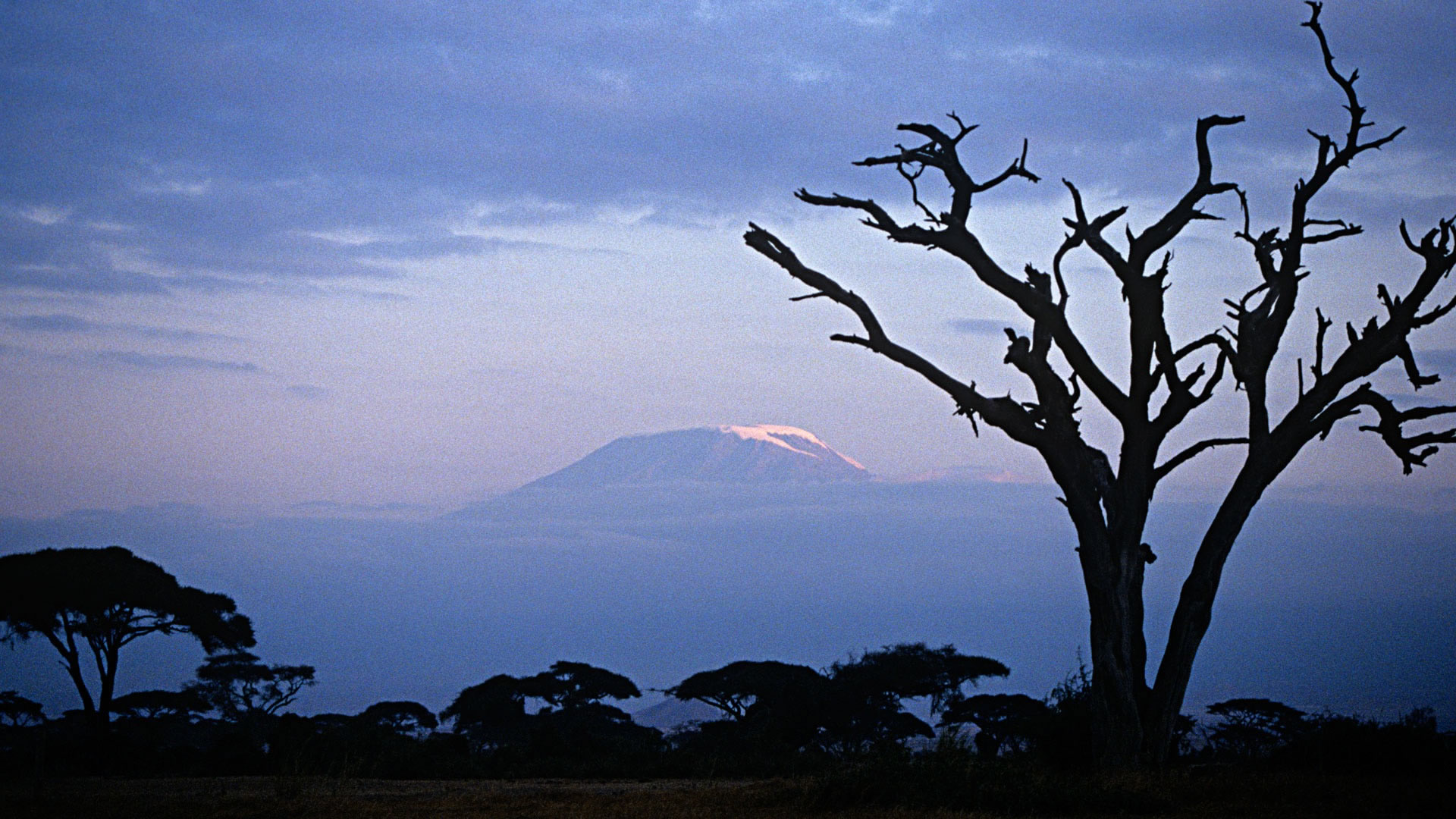
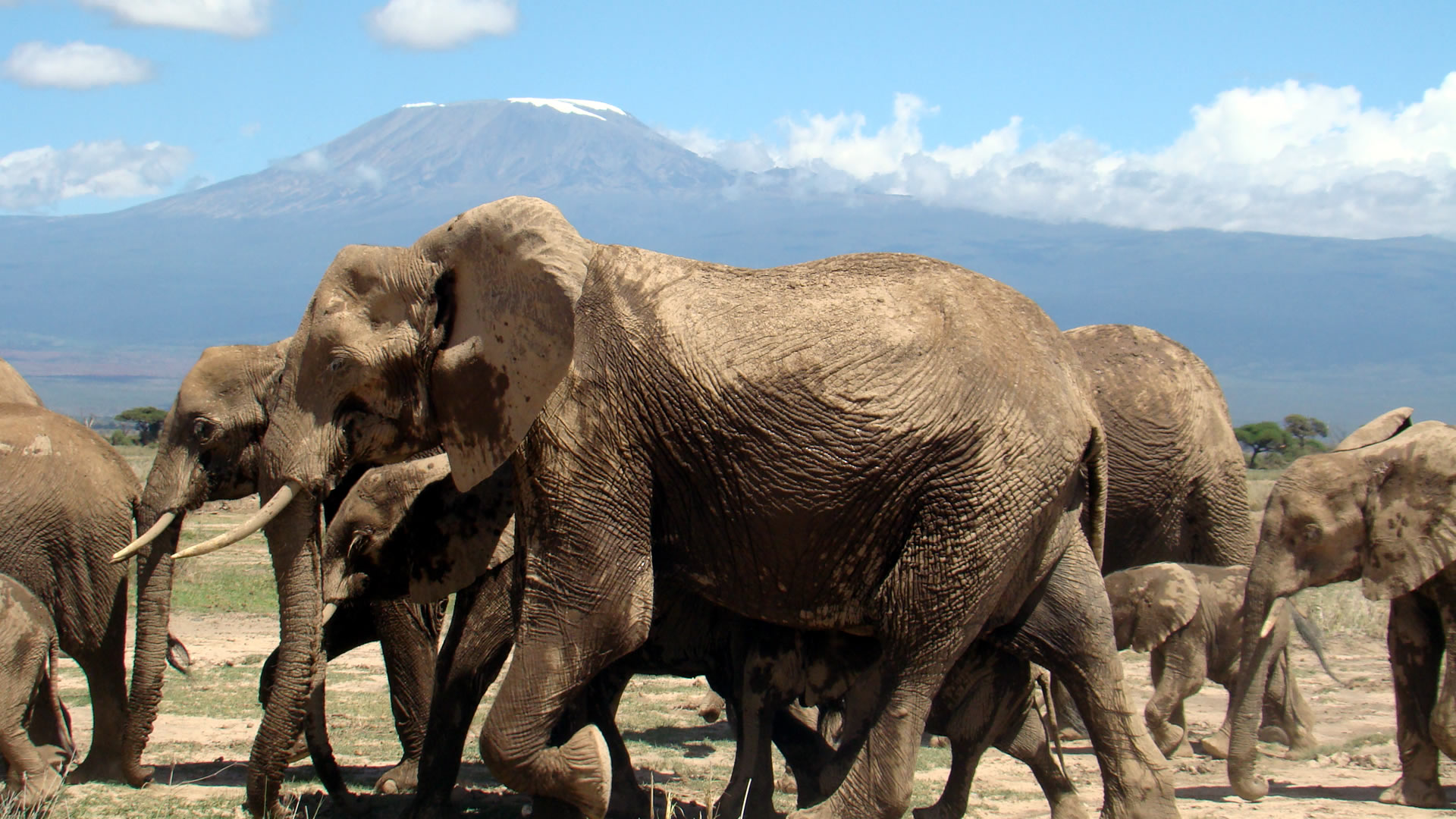
This park enjoys the backdrop of Africa's most iconic mountains, Mount Kilimanjaro. The melting snows of Kilimanjaro flow underground into the park and continually feeds water to springs, swamps, and marshes providing a much needed lifeline. This fragile ecosystem displays an impressive wildlife variety, with more than 50 mammal species, including one of the largest populations of free-roaming elephants in the world.
Prev
Next
Amboseli National Park
Wildlife Experience
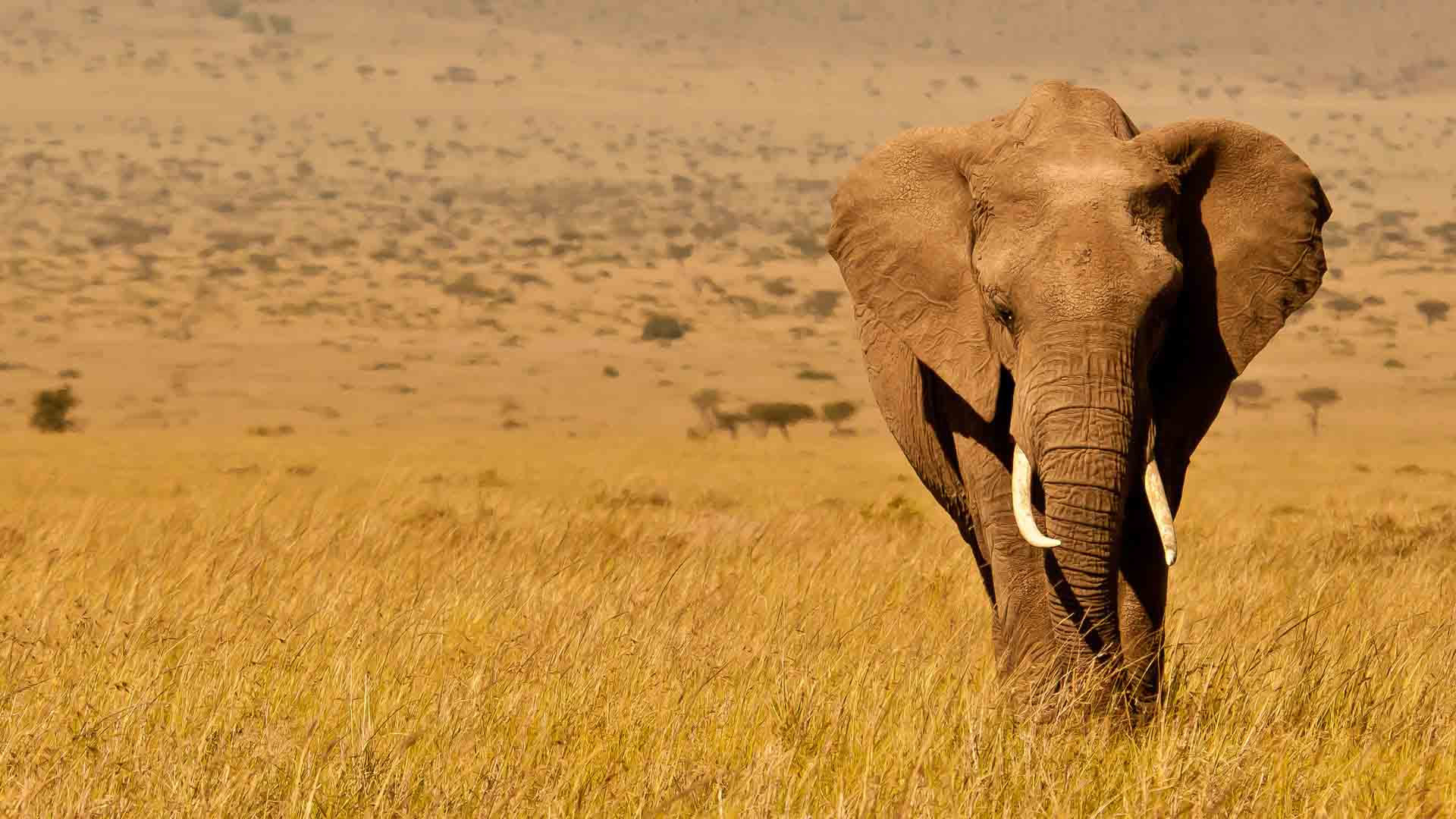
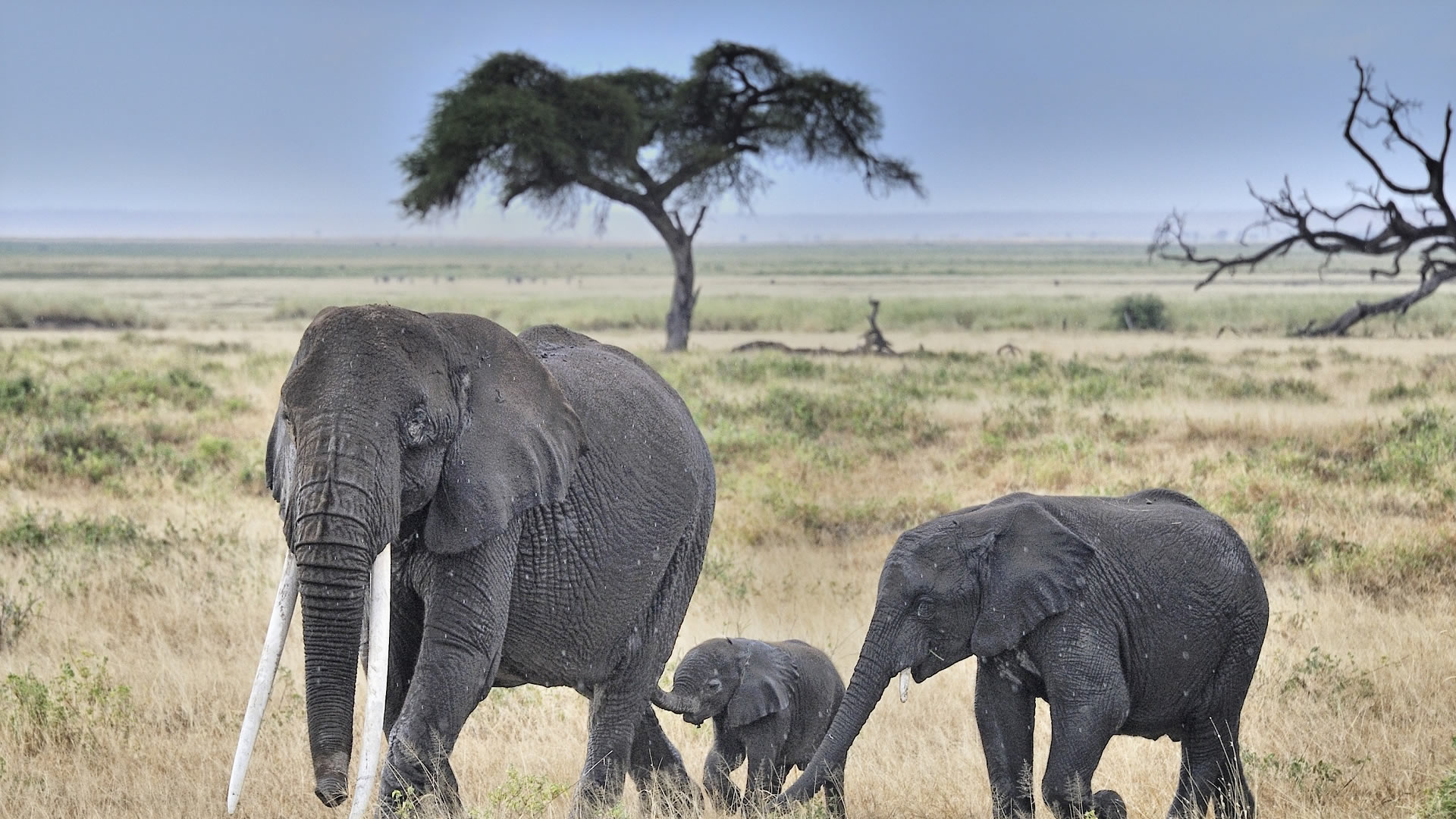
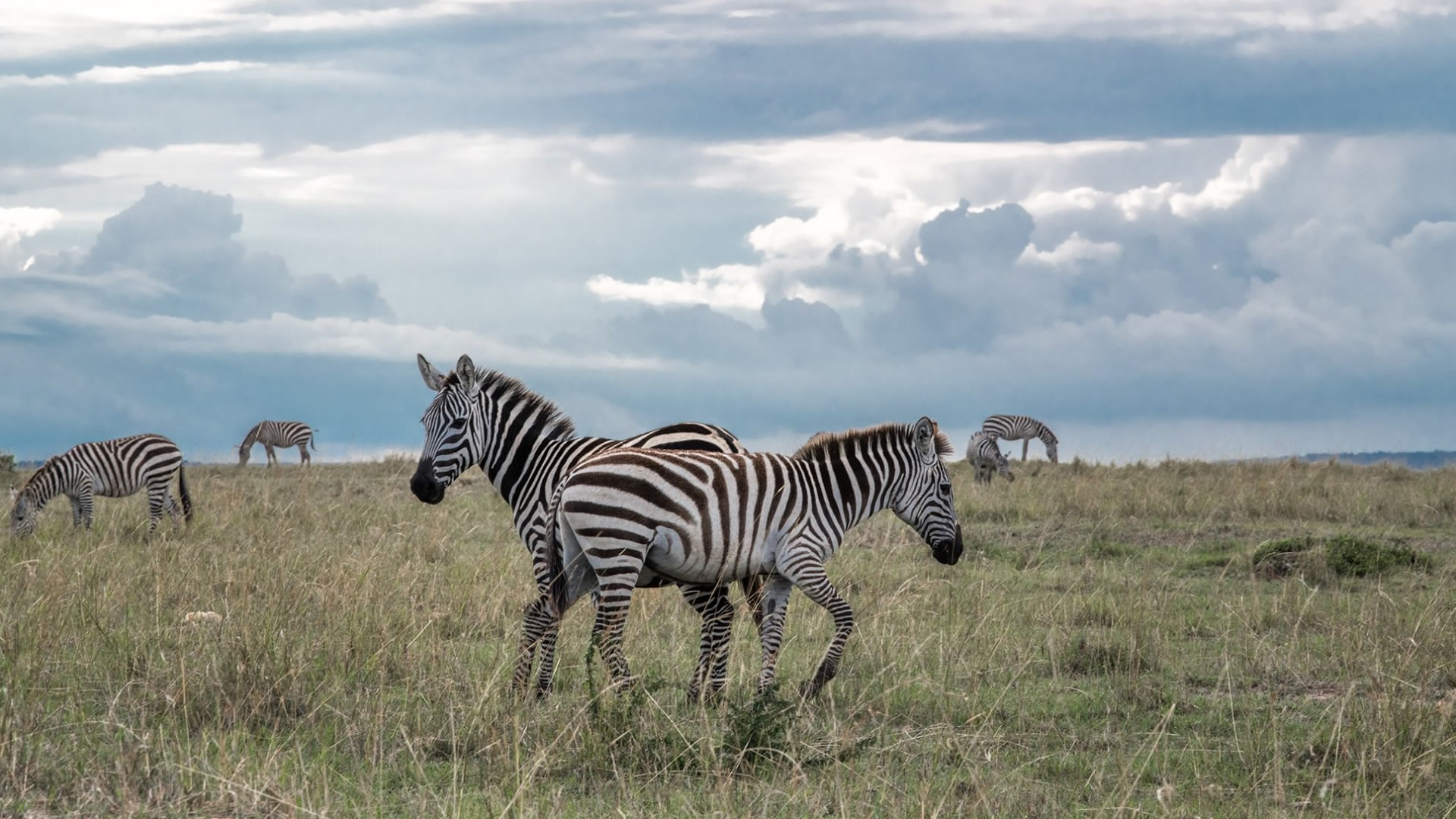
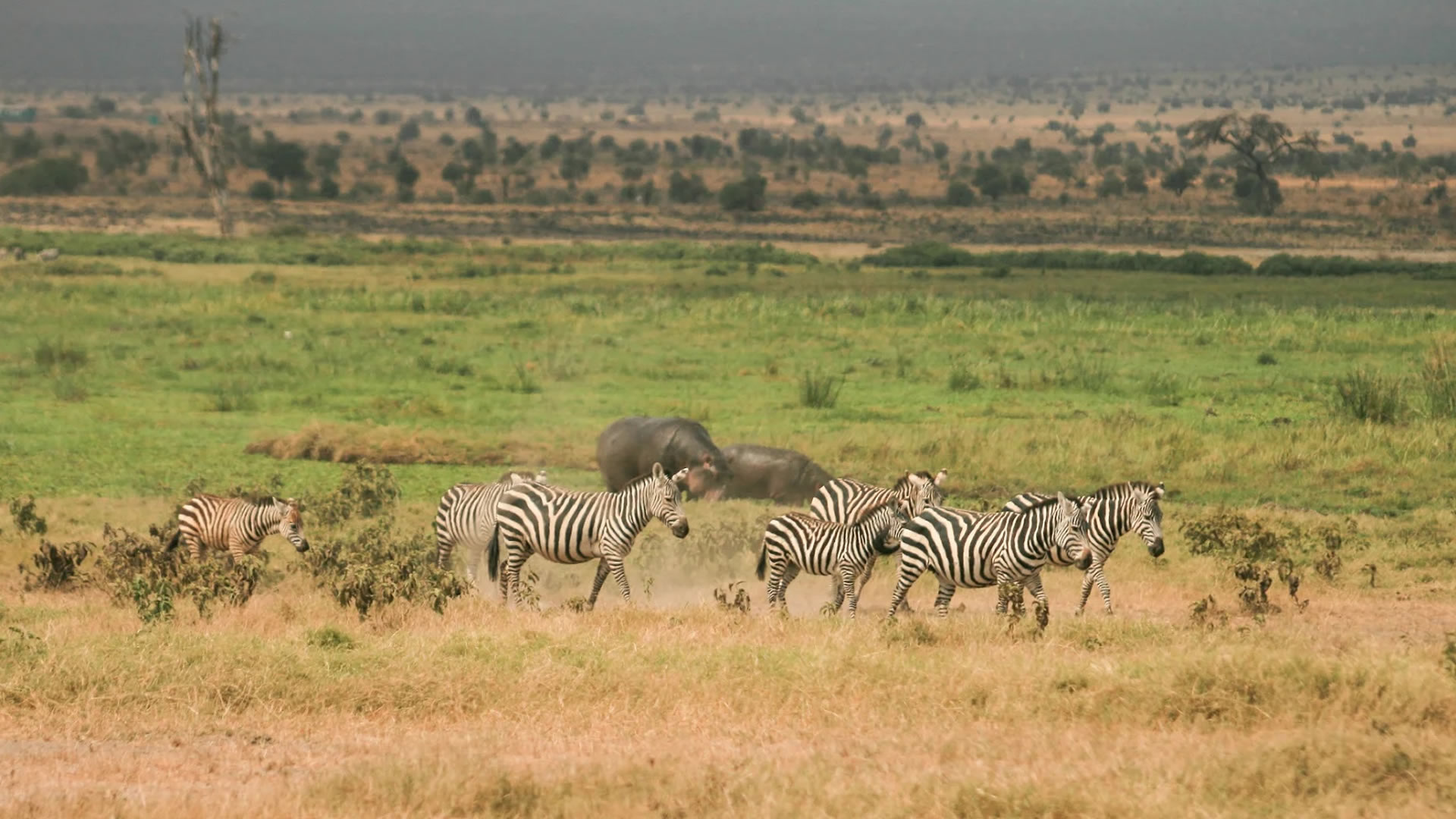
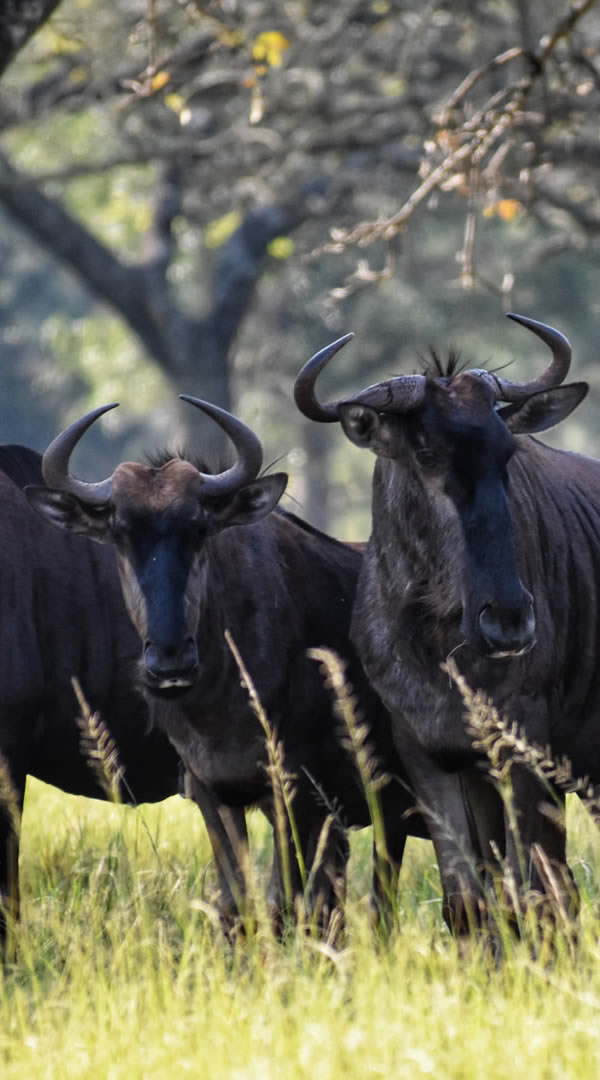
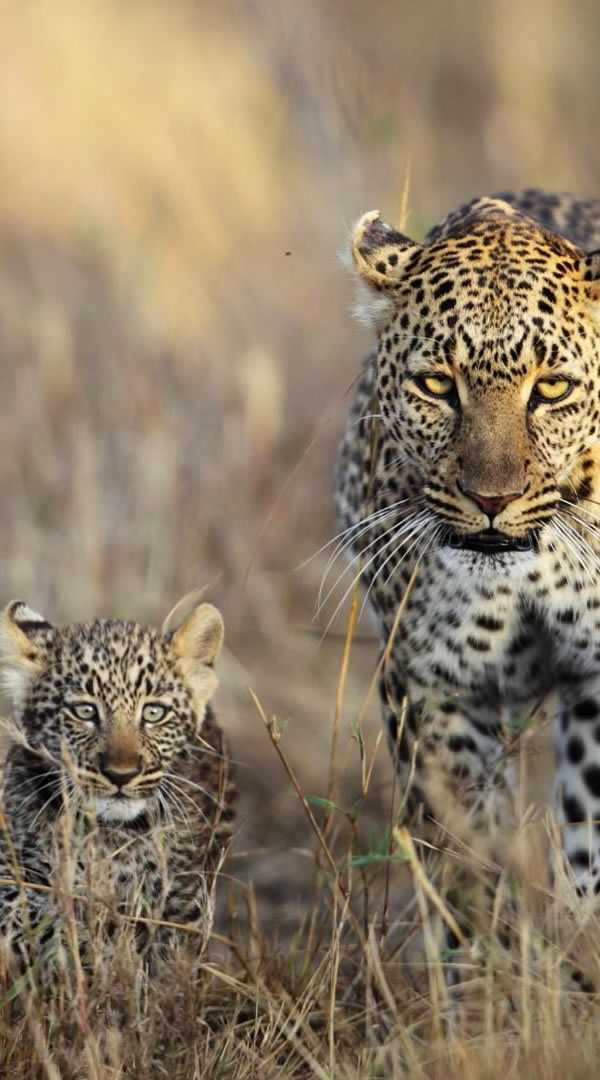
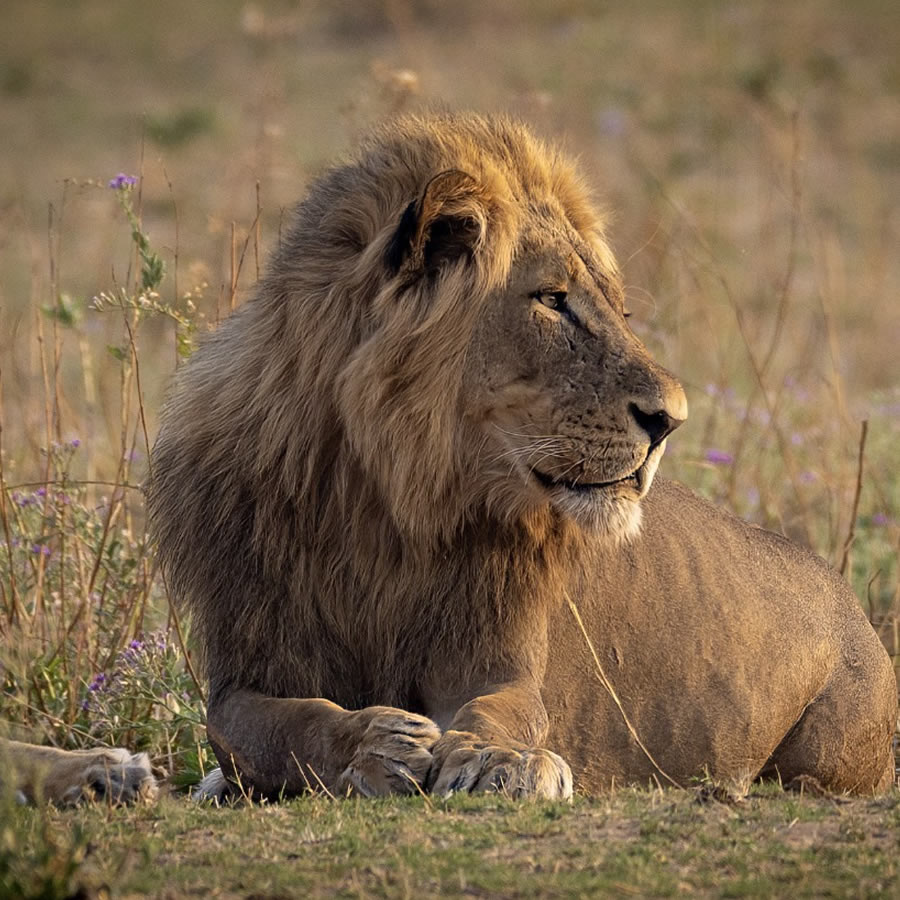
Amboseli is one of Kenya’s most popular parks, and offers great wildlife viewing. The park is famous for its elephants, but most big safari animals can be spotted here. Black rhino has become extinct, but the other four of the Big Five are present. The plains support an abundance of large herbivores including wildebeest, Burchell's zebra and Grant's and Thomson's gazelle. The kings of Amboseli are the elephants, which are easy to spot and photograph due to the flat and bare terrain. Amboseli's elephants are said to be the biggest in Kenya and can be found in the swamps where they share the cool waters with the hippos that hide beneath the papyrus. The park is also home to a large resident population of wildebeest, Burchell's zebra, Thomson's and Grant's gazelle, buffalo, warthog, impala, waterbuck, dik dik, Maasai giraffe and eland. Vervet monkey and yellow baboon inhabit the scarce woodlands, mainly around Ol Tukai Lodge. Lion, spotted hyena, black-backed jackal, wild cat, bat-eared foxes and caracal are also found here, while leopard, cheetah and black rhino are quite rare.
Locate the Amboseli National Park
Amboseli National Park | Birdlife
Amboseli is a good birding destination and more than 420 species have been recorded here. The swamps are great for water-associated birds such as egrets, herons, pelicans and crowned cranes. Large numbers of flamingos may be present in the Wet seasons (March to May and October to December). The grassland areas offer some interesting ground birds such as Hartlaub’s bustard and the localized Pangani longclaw. The acacia woodland holds some dry country specials such as steel-blue whydah, white-bellied go-away bird and the Von der Decken’s hornbill. Amboseli is a bird-watcher’s paradise throughout the year. Residents include unusual species that are spotted at any time. The migratory bird population fills the park from November to April. The months when rainfall is most likely to disrupt your bird-watching plans are November and April.
Why Travel with Grand Africa Experiences
“Our guiding principles as Grand Africa Experiences is to work with each client, family and group in an individual way. We encourage you to work with us, discussing your interests, style of travel, budget, time frame and any other factors that would influence your trip – to come up with an itinerary best suited to you, your family or group. We always strive to offer the best value for your money.”
Responsible TravelWildlife Conservation and Community Support efforts
Custom TravelCustom itineraries designed to suit your travel preferences
Great SavingsBest bargains from local suppliers while maintaining quality service!
24Hrs Response TimeOur safari experts respond to all your requests within 24 hours